Bugs, Bugs, And More Bugs

 I am sure that you have had your fair share of bugs either the crawling type or the buzz bomb type. I will try to give you some hints and tips on how to get rid of both types safely and cheaply. 


 So lets go.
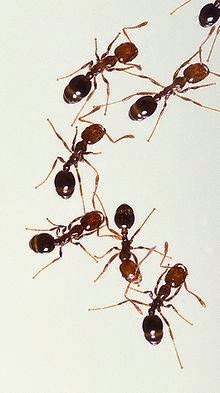
Ants

Ants we all seem to collect them either during storage or while camping. Here is a cheap and pet safe way to get rid of them both in the RV or your sticks and bricks.

You need to mix in equal parts of

1 part baking soda

and

1 part powdered sugar (not the granulated kind used in coffee)

You will need.


1 lid from any jar

Mix the baking soda and powdered sugar and put into jar lid and put out where you have seen the ants. It will not be long and the ants will be gone. So you may ask why this works. Inside of ants there is an acid type fluid when mixed with the baking soda causes the ants to explode. If you or the dog should eat the mixture nothing much happens, it just doesn’t taste good.

Corn meal is another safe way to get rid of ants, but it can be a bit messy. Just sprinkle the meal around the nesting area or along the ant trail. In a day or so the ants will be gone.

Stink Bugs

These little devils are not native to the USA but, like many of our ancestors have immigrated to a better life here in the USA. So how do you get rid of them now that they have hitched a ride in your RV?

In a spray bottle, combine 32 ounces of hot water and three-quarters of a cup of Dawn dish washing liquid and spray the exterior of your RV’s, windows, and doors. On the inside spray around baseboards inside cabinets, closets, and any other dark area inside the RV. For an extra kick, you can use the anti-bacterial variety of dish washing liquid, but understand that it contains additional chemicals. Of course a good bug spray will also work but might not be safe for Fido.

Wasps

You are getting your RV ready to go for spring and you spie a wasps nest or several wasps returning to the same spot time after time. What can you do? Well spray the area or nest with WD40 and that will rid you of the nest or neutralize the area that the wasps were going to use to build their nest.

There are also a variety of commercially made glass wasp traps that claim that they are helpful in reducing wasp populations in the area. The trick is to make sure you keep replacing the bait, as wasps like fresh bait. And also, please consider using savory bait, such as tuna, as that will attract the yellow jackets and wasps, but not honeybees, which a sweet bait will. The glass traps are actually very pretty, but you can also make your own inexpensive version out of any type of plastic bottle (soda pop bottle, or water bottle). Follow these instructions to make your own.

Mud Dauber (Wasp)

While these wasps are non aggressive to humans, they do cause problems to RVers by getting into places they should not be.  Like gas orifices of the heating system, hot water system, and refrigerator.  The best defence here is to plug the holes leading into these areas of the RV.  See below for screening suggestions.

Mosquito

The scourge of the RV camping experience the Mosquito. First how do you keep them off you? Use Skin-So-Soft. You can purchase here Skin-So-Soft and it really does work for several hours. It is safe for kids and does not contain Deets. However during scientific tests, Deep Woods Off, proved to be the best you could buy in keeping Mosquitoes away from you. BUT it does contain DEETS. Please be careful when using Deets around children. Be sure to follow directions for use of the product.

So what about those flying around? We need to construct a mosquito trap. Please see below;

Take a plastic water bottle and cut the neck off. (The neck is the cone part of the bottle including the cap.)

Flip the neck upside-down, removing the cap first, and place the neck into the bottle.

Tape and/or staple the top together or punch a couple of holes and keep them together by two screws, which you can even use to hang the trap up.

Bait the trap. Mix 1/4 cup of Brown Sugar with 8oz of hot water. Mix thoroughly and allow to cool. After the mixture cools, pour into the bottom of the plastic bottle. Add 1/4 TSP of Yeast. DO NOT MIX!!! The mixture gives off carbon dioxide that attracts the Mosquitoes.

Tape some string to the bottle, (or make holes and put the string through) and hang it up near where you plan to be either outside or inside.

Once the Mosquitoes are tricked into going in they can’t figure out how to get out, so they get trapped and die.

Dispose of the Mosquito trap regularly whenever the number of dead Mosquitoes does not appear to be increasing.

You are now finished. You have saved the planet and your camping area from thousands (well maybe hundreds) of Mosquitoes.

We thank you!

So how do you stop or slow down bugs getting into your RV when the front door is kept closed most of the time?  You put screens over the openings caused by the water heater, furnace, and refrigerator.

Lets take each one and see what can be done.

Water heater.  You can buy a water heater vent screen, such as this one, Flying Insect Screen
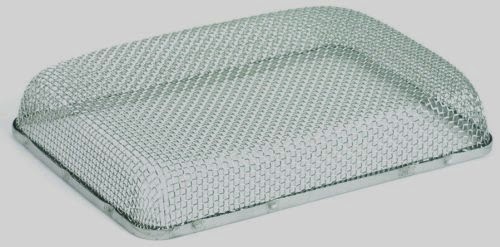
Flying Insect Screen

and install it (easy DIY project) over the water heater RV vent.  I have a KZ Spree and could not find a water heater vent cover so I covered the inside of the water heater cover louvers with insect screen and used silicone to bond the screen to the metal water heater cover.  Works great.

Furnace vent. You can buy a furnace vent screen, such as this one, RV Furnace Screen
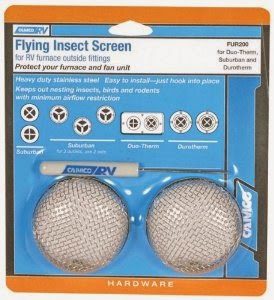
Kit comes with everything you need and will keep the Mud Daubers out.

Refrigerator Vents.  You can buy a refrigerator vent screen, such as this one, Refrigerator Vent Screens

I installed these on my KZ Spree and use some zip ties to hold the screens in place so they would not move around.  This was an simple DIY project and will keep the bugs and Mud Daubers out.  Check around windows and doors for any cracks or small openings that may have developed and keep storage doors closed while camping and you should keep the bugs out and enjoy the indoors as much as the outdoors.


Until Next Time.
 

Let’s Check Those Tires

So what do you do first when you take out your RV? There are many things you could do first but, I recommend that you check the tire pressure with a good tire pressure gage. The tire’s max pressure is located on the side wall of the tires on your RV. Do not use the pressures recommended by the RV manufacture UNLESS the RV has the original tires that it came with from the factory.

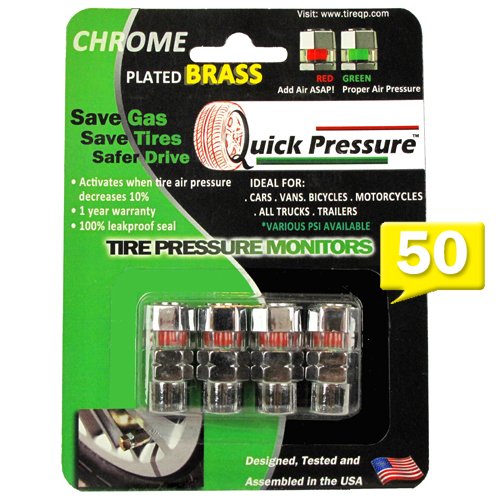
I use both a screw-on tire pressure indicator, such as Quick-Pressure-PSI-50-Monitor , which at a glance can tell you that you may have a problem [use only if your tires are supposed to have 50 lbs of air when cold.  [Other pressures are available] and the traditional pencil like guage, such as Pencil-Pressure Gage   to test or look at the tire pressure gage before you have moved your RV a mile.

Quick-Pressure-PSI-50-Monitor

Quick-Pressure-PSI-50-Monitor

Pencil Air Gage 2

 Pencil-Pressure Gage

Please Note: You need to check the tire pressure when the tire is still cold.

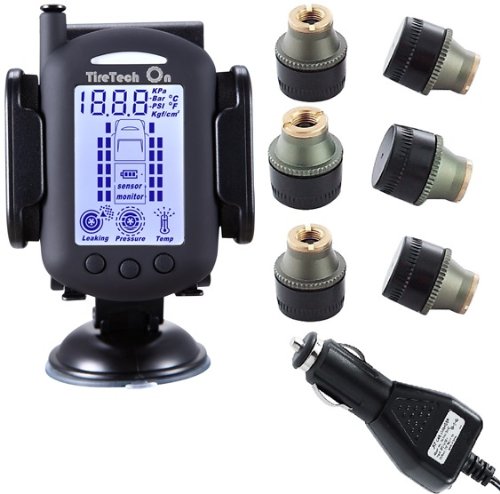
Another good, but pricey, system for monitoring your tire pressure as well as the tire temperature is the Wireless Tire Pressure Monitoring System.  I am saving for this one.

TireTech Wireless Monitor

Wireless Tire Pressure Monitoring System

The system will tell you of an overheated tire, in most cases before it blows, and of course tell you of low pressure in any monitored tire, even the spare, in real time no need to stop every 20 miles and check those darn tires – LOL. When you stop for gas or a bathroom break you should do a tire check of the RV as well as tow vehicle. My daughter was checking the tow vehicle for me and found a large cut in the sidewall of the truck tire. We were able to get the tire replaced before the large accident occurred.  I did not even remember hitting or running over anything on the highway.

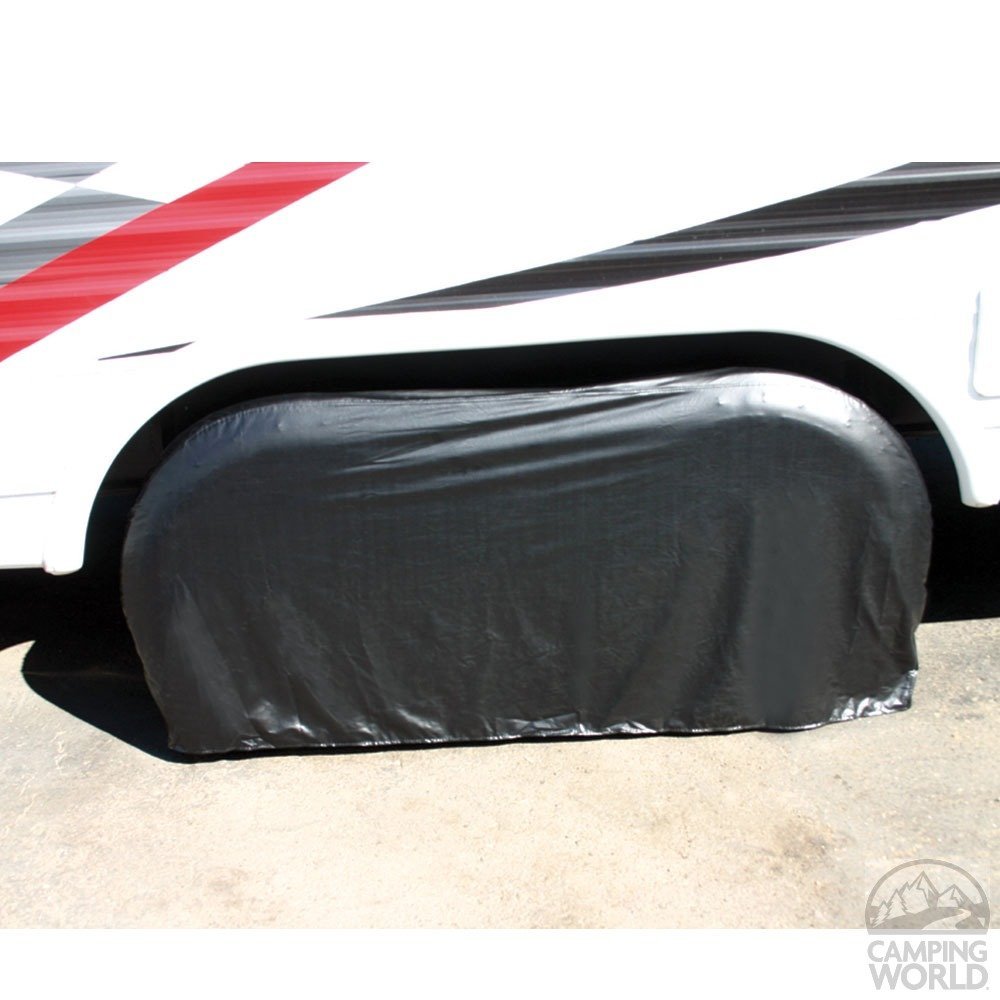
Be sure to carefully look at the tread, and the side walls both on the front and the back of the tire.  Most RV tire experts agree that if your tiers are more than five years old from the date of manufacture you should replace them.  Most tire failures occur when the side wall of the tire is under inflated or rots out from the inside where you can not see. You can thank Mr. Sun for sidewall failure in some cases. Most tires have a Mr. Sun inhibitor built-in but when a tire sits and sits the inhibitor does not get moved to the outside of the tire by the tire going round and round. Now you see why you need wheel covers right?

RV Tire Covers

Trailer Wheel Covers for less than $25.

To protect the tires in storage from Mr. Sun and any other nasties that come along. You can also use an RV Tire Protection Spray which is applied, as directed, to the tire side wall that is exposed to the sun.
I have used RV Tire Protection Spray with good luck. This spray is not designed to make the tire sidewall shinier,  it is not a decorative spray, but something that is designed to put back into the surface of the rubber what Mr Sun is taking out.

tire protective spray

RV Tire Protection Spray

Also note that if you are going to store the RV for an extended period of time you should protect the tread from the surface that the tires are sitting on. Nasty things can leach out of your tires into the blacktop or concrete that your RV sits on while being stored. Or from the blacktop or concrete into your tires during storage. You can use an Office Chair Mat that sells for less than $20 for each side of the RV and just back onto it as you are putting the RV away.  Now that is easy.

If you are supposed to replace your tires every five years how do you know when your tires were made? There is a code date molded into the sidewall of the tire. (you can thank our government) The National Highway Traffic Safety Administration (NHTSA) requires that Tire Identification Numbers be a combination of the letters DOT, followed by ten, eleven or twelve letters and/or numbers that identify the manufacturing location, tire size and manufacturer’s code, along with the week and year the tire was manufactured. Since 2000, the week and year the tire was produced has been provided by the last four digits of the Tire Identification Number with the 2 digits being used to identify the week immediately preceding the 2 digits used to identify the year.

Below is an example of a tire manufactured since 2000 with the current Tire Identification Number format.

In the example: DOT U2LL LMLR 5107

DOT U2LL LMLR 5107  Manufactured during the 51st week of the year

DOT U2LL LMLR 5107   Manufactured during 2007
While the entire Tire Identification Number is required to be molded onto one sidewall of every tire, current regulations also require that DOT and the first digits of the Tire Identification Number must also be molded onto the opposite sidewall. Therefore, it is possible to see a Tire Identification Number that appears incomplete and requires looking at the tire’s other sidewall to find the entire Tire Identification Number.
I know you are saying to yourself, but the RV is only three years old. We are not talking about the year your RV was built, but the year the tires were manufactured and they maybe not the same so please check. If your tire’s serial number can not be read by you, then you need to take the tire or RV to an RV dealer or tire shop and have the tires read.

Post_2000_Full_Dot

Please do not be pulling your RV with old tires that may jeopardize your families safety as well as others. [If you want more information on tire markings and such go to Tire Tech Information]

Ok, you have checked the date code of your tires and they are in fact only three years old. Tire pressure is up and you’re ready to go.

Not so fast!

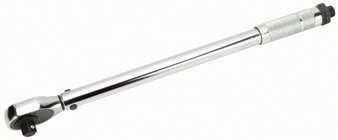
We need to discuss lug nut tightness.  Each Spring or before a major trip you should check the tightness of the lug nuts on each of the RV tires. You need to check your owners manual for the correct setting. My KZ Spree has the specifications of 100 ft LBS. I use a inexpensive torque wrench, which I keep in the RV tool box, to confirm the setting 1/2′ Torque Wrench .

Torque Wrench

1/2′ Torque Wrench

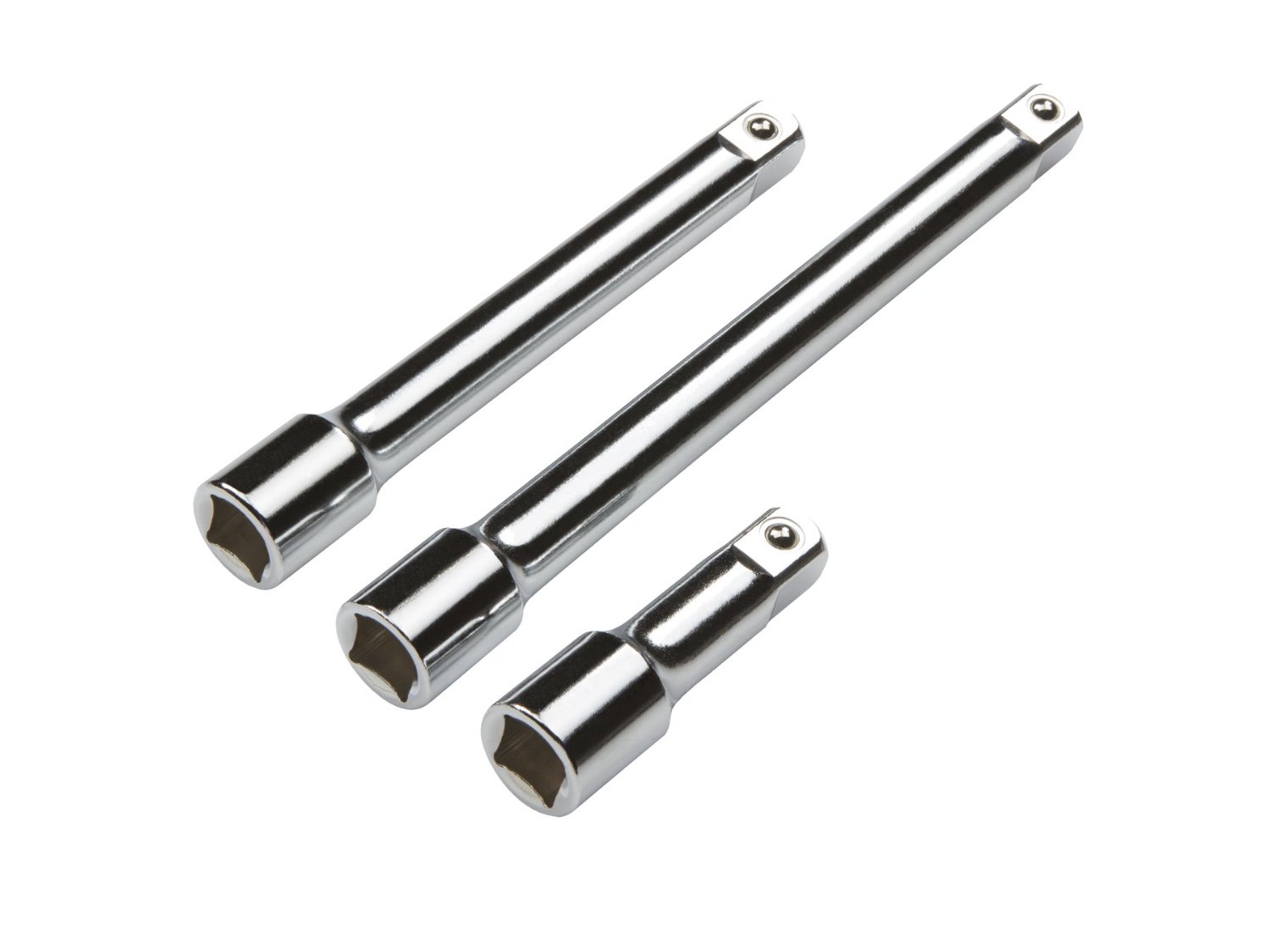
To keep the wrench outside of the tire rim I also use an extender. 1/2″ Socket Extension

Socket Extension Kit

1/2″ Socket Extension

The socket size depends on your lug nut size.

Tire Check Quick Guide
1. Check all RV tires for max pressure listed on tire sidewall.
2. Check tire tread and sidewalls for ware and cracks.
3. Cover tires from sun damage when not using.
4. Keep tires off of storage surface during storage.
5. Check age of tires yearly.
6. Check your tires every time you stop.
7. Do maintenance on your tires as needed.
8. Check lug nut tightness.

Until next time.